

December 31, 2025
Staying active is one of the most powerful things you can do for your health — especially when managing ongoing health conditions, joint concerns, or lower energy levels. Yet for many people, traditional gym environments can feel intimidating, uncomfortable, or simply unrealistic.
Home fitness offers a safer, more flexible way to move regularly, at your own pace, in an environment you control. When done thoughtfully, it can support long-term health without adding stress or risk.
The importance of low-impact, regular movement
For people with health conditions, the goal of fitness isn’t intensity, it’s consistency.
Low-impact movement helps:
- Improve circulation and heart health
- Support joint mobility and flexibility
- Maintain muscle strength
- Reduce stiffness and discomfort
- Boost energy and mental wellbeing
The key is regular, manageable movement that doesn’t overload the body. Even short daily sessions can deliver meaningful benefits over time.
Quantum POV: Small, consistent movement creates long-term health improvements.
Safe, effective movement options at home
Home fitness allows you to choose activities that feel supportive rather than punishing. Some of the most effective options include:
Walking
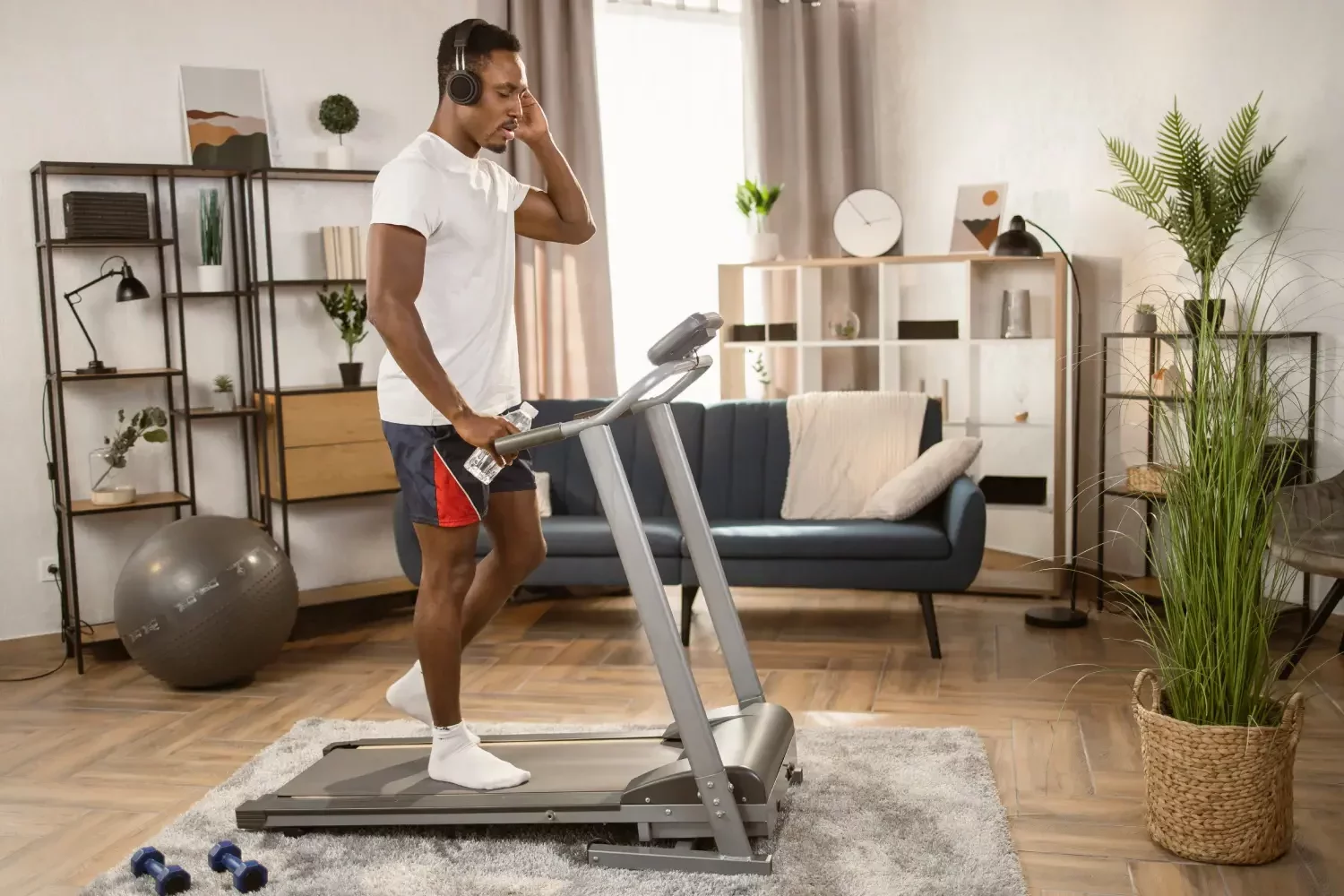
Walking is one of the safest and most accessible forms of exercise.
- Low impact on joints
- Easy to control pace and duration
- Suitable for most fitness levels
Indoor walking or treadmill walking at home eliminates concerns about weather, uneven surfaces, or safety.
Cycling
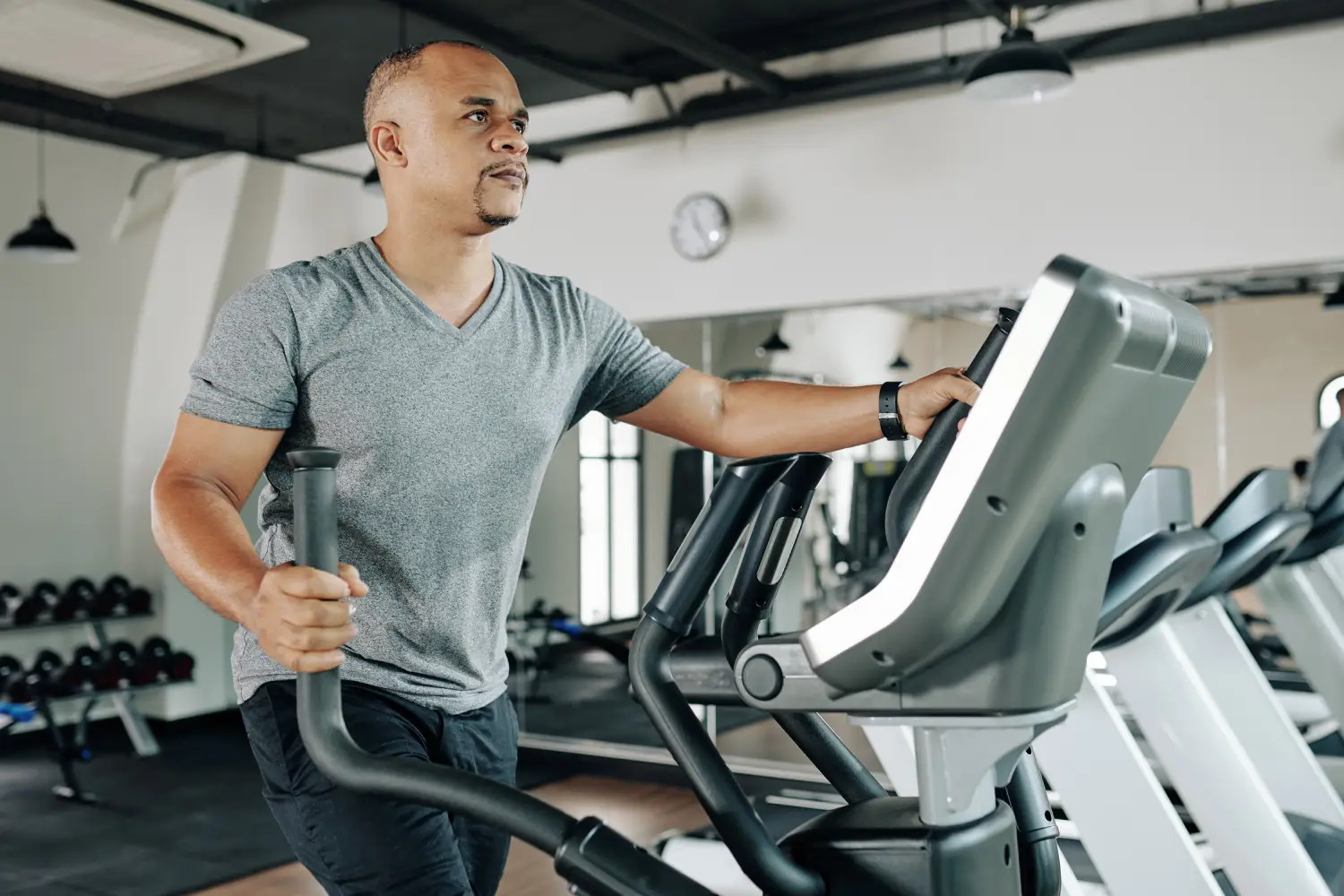
Stationary cycling is gentle on the joints while supporting cardiovascular health.
- Smooth, controlled movement
- Adjustable resistance
- Suitable for beginners or those returning after time off
Cycling allows steady progress without sudden impact.
Light Resistance Training
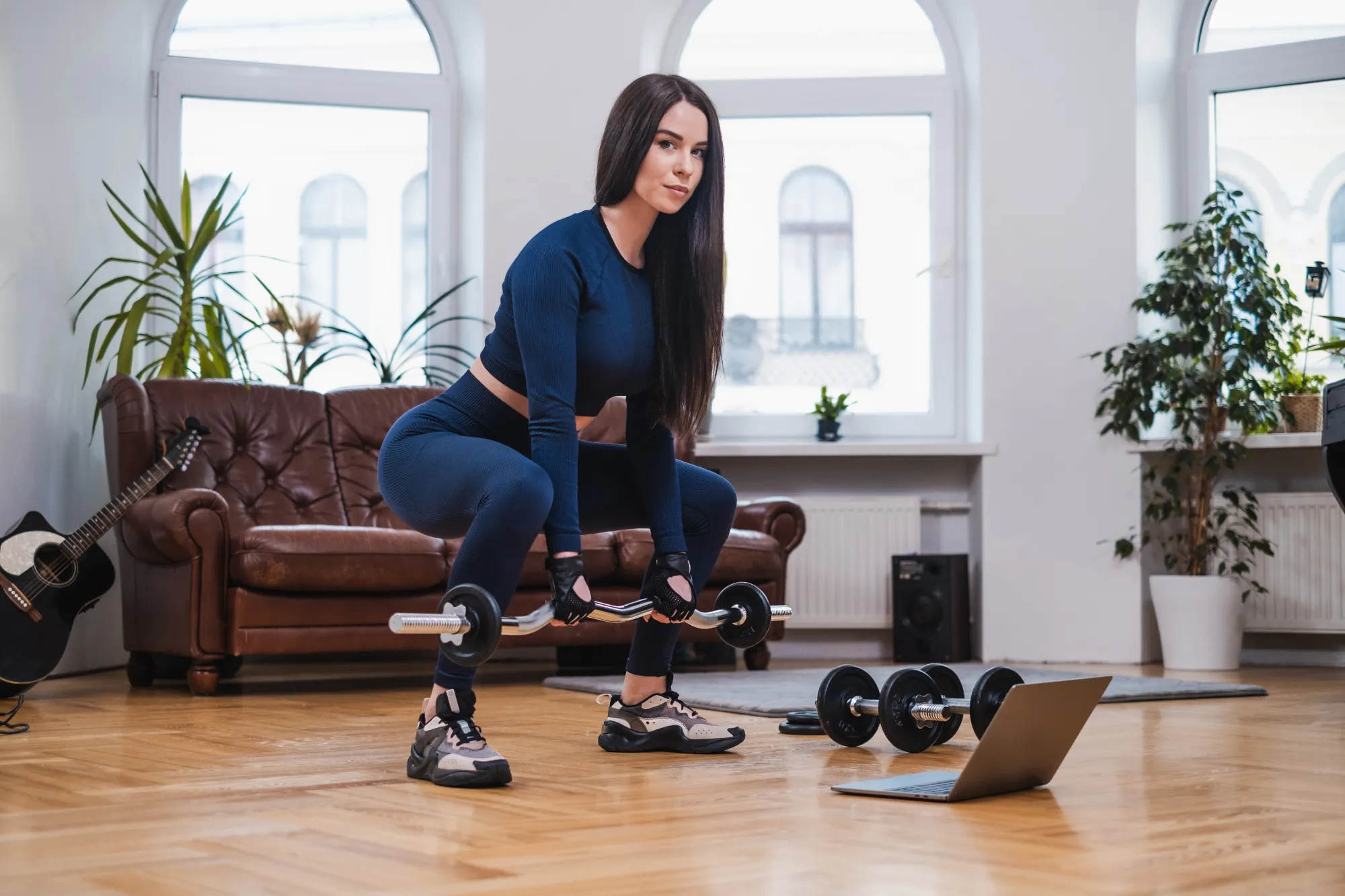
Strength training doesn’t need heavy weights.
- Light resistance supports muscle strength and stability
- Helps protect joints and improve balance
- Supports everyday movement and independence
Using controlled, low-resistance exercises at home reduces injury risk while building confidence.
Why home fitness is often safer and more comfortable
For people managing health concerns, comfort and confidence matter. Home fitness environments offer:
- Privacy without feeling watched or rushed
- Control over pace, resistance, and duration
- No pressure to keep up with others
- Reduced exposure to crowded spaces
At home, you can stop, rest, or adjust whenever needed, without judgment. This sense of control makes it easier to listen to your body and avoid overexertion.
Reducing barriers to staying active
Gyms can introduce obstacles that make regular exercise harder:
- Travel and parking
- Fixed schedules
- Waiting for equipment
- Anxiety around busy spaces
Home fitness removes these barriers, making it easier to stay active on good days and challenging ones alike. When movement is accessible, it becomes part of daily life rather than an extra task.
How to choose beginner-friendly fitness equipment
The right equipment should support confidence, not overwhelm. When choosing home fitness equipment, look for:
- Low-impact movement options that protect joints
- Simple controls that are easy to understand
- Adjustable resistance or speed to match your comfort level
- Stability and support for safe movement
Avoid equipment that feels complicated or intimidating. The best tools are those you feel comfortable using regularly. Start with equipment that encourages:
- Gentle cardio
- Controlled resistance
- Easy setup and storage
As strength and confidence improve, routines can evolve naturally.
Building confidence through routine
A sustainable routine doesn’t require daily intensity. Many people benefit from:
- 20–30 minute sessions
- 3–5 days per week
- A mix of cardio and light strength
- Built-in rest and recovery days
Progress should feel gradual and empowering, not exhausting. Over time, regular movement can improve mobility, reduce discomfort, and support overall quality of life.
Final thoughts
Fitness doesn’t have to be extreme to be effective, especially when managing health conditions. Home fitness provides a safe, comfortable, and flexible way to stay active at your own pace. By focusing on low-impact movement, simple routines, and beginner-friendly equipment, you can build a habit that supports long-term health without burnout or fear. At Quantum Fitness, we believe everyone deserves a way to move that feels safe, achievable, and supportive. Because the best fitness routine is the one you can continue, confidently and comfortably.