

Recent Posts

March 1, 2026
 Strength training has become increasingly popular among women around the world, and Sri Lanka is no exception. More women are discovering the benefits of adding strength-based exercises to their fitness routines. Beyond physical activity, strength training can be a powerful way to build confidence, develop discipline, and feel more capable in everyday life.
Whether you are new to fitness or looking to explore a new form of exercise, strength training offers a practical and empowering way to stay active.
Why Strength Training matters
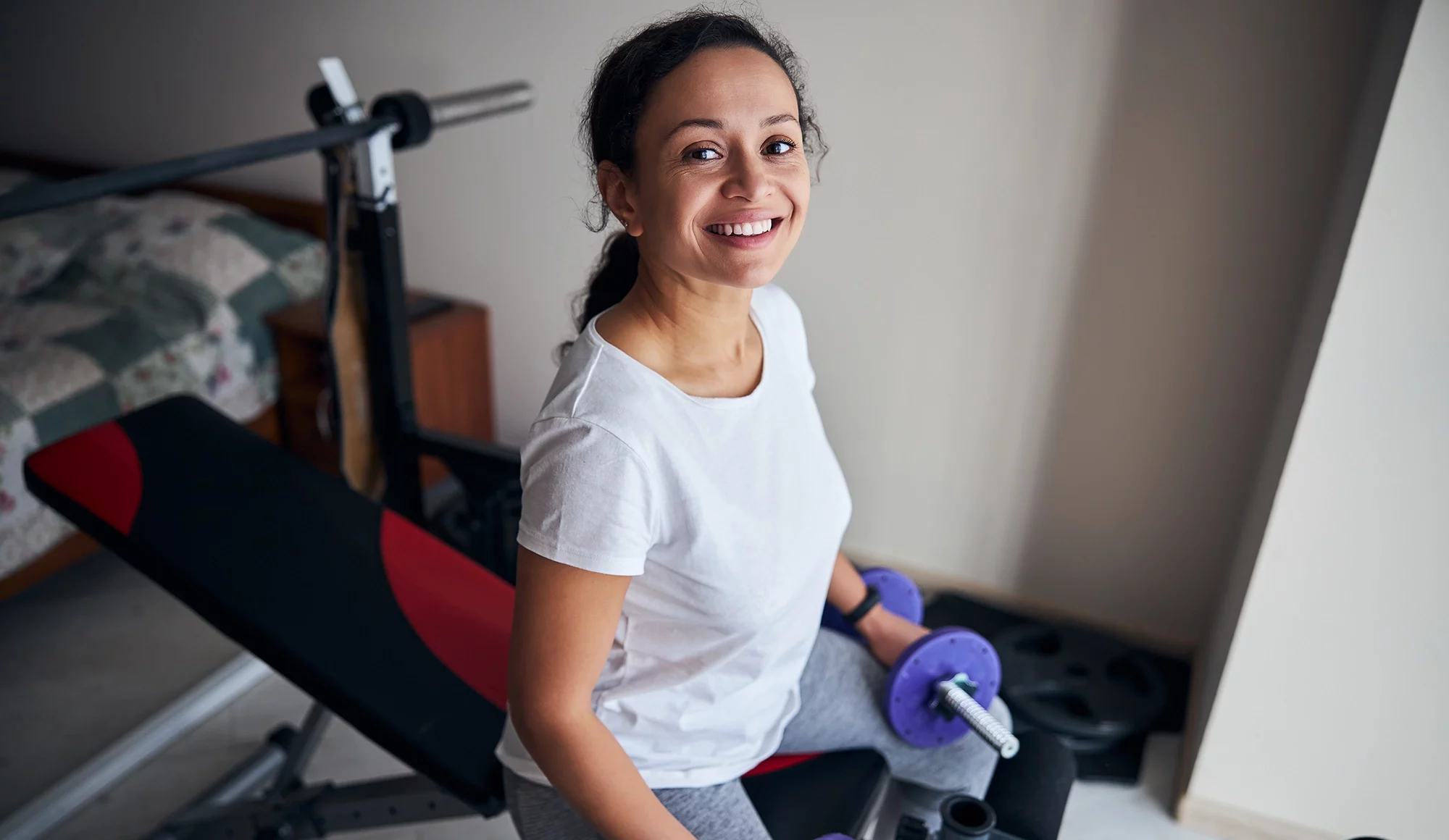
Strength training focuses on exercises that use resistance to challenge muscles. This resistance can come from bodyweight movements, dumbbells, resistance bands, kettlebells, or other simple equipment.
For many women, strength training is appealing because it helps create a sense of progress and achievement. Learning new exercises, improving technique, and gradually increasing intensity can be motivating and rewarding.
In addition, strength-based workouts can easily be done at home, making them convenient for women with busy schedules.
Building confidence through movement
One of the most empowering aspects of strength training is the confidence it can bring. As you practice and improve your movements, you may start to feel stronger and more capable in your daily life.
Completing a workout, mastering a new exercise, or reaching a personal fitness goal can boost self-belief. Over time, these small achievements can build a positive mindset and encourage consistency.
Strength training also encourages women to focus on what their bodies can do rather than how they look. This shift in perspective can create a healthier relationship with fitness and movement.
Breaking common myths about strength training
Despite its growing popularity, some misconceptions about strength training still exist. Understanding these myths can help women feel more comfortable trying it for themselves.
Myth 1: Strength training is only for athletes.
In reality, strength exercises can be adapted for all fitness levels, including beginners.
Myth 2: You need a gym to start.
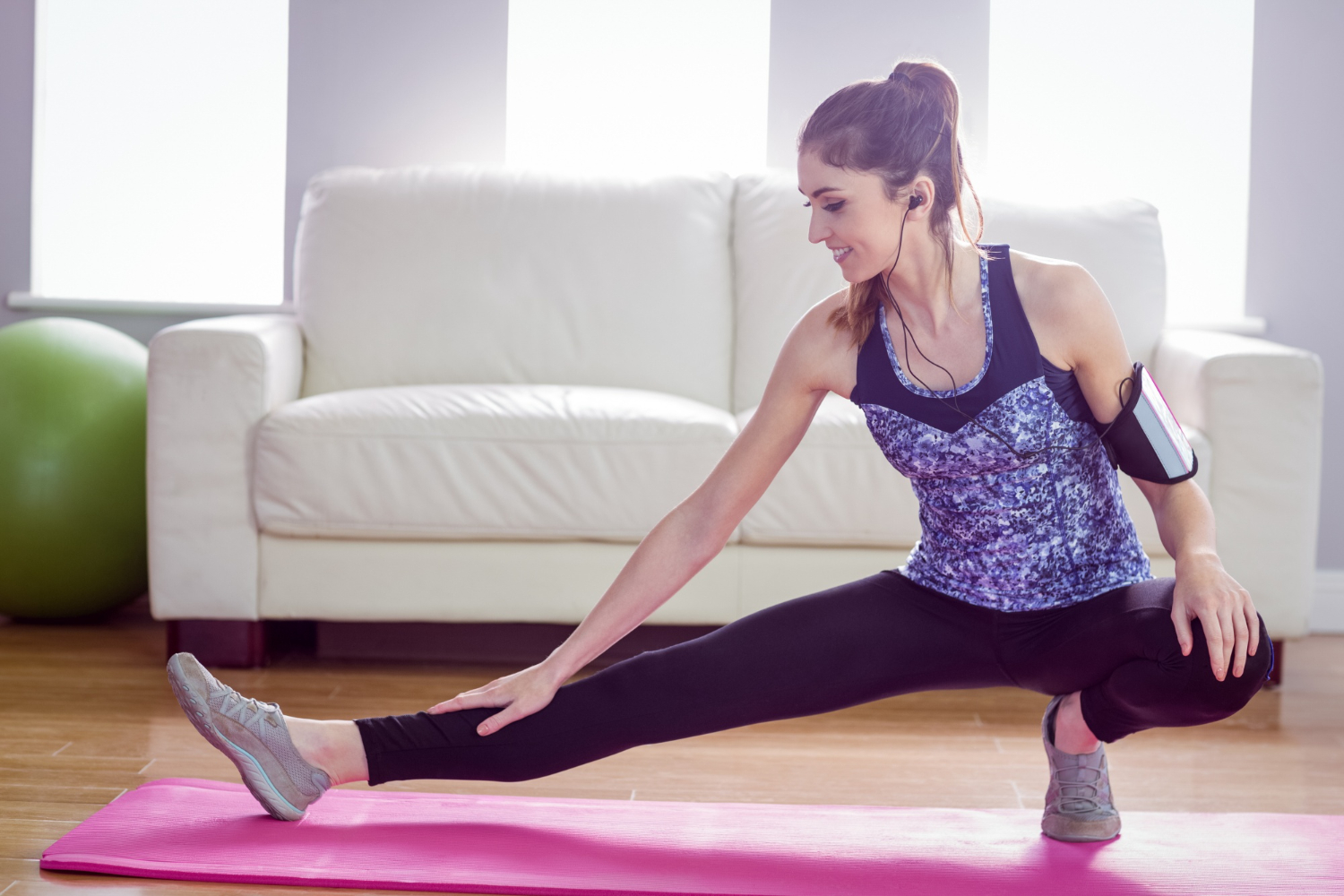
Many effective strength workouts can be done at home using bodyweight exercises or simple equipment.
Myth 3: Strength training requires heavy weights.
While some people choose to lift heavier weights over time, beginners can start with light resistance and focus on learning proper form.
Beginner strength exercises to try at home
If you’re new to strength training, starting with a few basic movements can help you build confidence and familiarity.
Squats – Stand with your feet shoulder-width apart and slowly lower your body as if sitting down, then return to standing. Squats are a great exercise for the lower body.
Glute Bridges – Lie on your back with your knees bent and feet flat on the floor. Lift your hips gently and hold for a moment before lowering.
Dumbbell Rows – Using light dumbbells, bend slightly forward and pull the weights toward your torso while keeping your back straight.
Plank – Hold a plank position for a short period to engage your core and improve stability.
Start with a few repetitions of each movement and gradually increase as you feel more comfortable.
Simple equipment that can help
While bodyweight exercises are a great starting point, adding small pieces of equipment can make workouts more varied and enjoyable.
Some beginner-friendly options include:
- Light dumbbells
- Resistance bands
- Kettlebells
- A yoga or exercise mat
These tools can help add variety to your workouts and support different types of movements.
Creating a sustainable routine
The key to enjoying strength training is finding a routine that works for your lifestyle. You don’t need long workout sessions to stay active.
Try starting with two or three strength workouts per week and gradually build your routine. Short sessions can be effective when done consistently.
It can also help to set small goals, track your progress, and celebrate milestones along the way.
Embrace strength and confidence
Strength training is more than just a workout; it’s an opportunity to build confidence, challenge yourself, and explore what your body is capable of. By starting with simple exercises and staying consistent, women can develop a fitness routine that supports both physical activity and personal growth.
No matter where you begin, every step forward is part of your journey. With patience and persistence, strength training can become a powerful way to move with confidence and embrace an active lifestyle.