


July 27, 2026
If you have ever had a blood test come back with a note about your cholesterol, you already know the advice that usually follows: eat better, move more. The eating part gets a lot of attention. The moving part, especially the kind of moving that actually shifts your numbers, gets less.
Cardio exercise, and treadmill walking or jogging in particular, is one of the most consistent and accessible ways to support healthier cholesterol levels. It will not replace medical guidance, but it is a habit worth understanding, especially if heart health is on your mind.

What cholesterol numbers are actually telling you
Cholesterol is not simply good or bad. Your body needs it to build cells and produce hormones. The concern is balance. LDL cholesterol, often called the bad kind, can build up in your artery walls over time. HDL cholesterol, the good kind, helps clear some of that buildup away. Triglycerides, a type of fat in your blood, matter too, especially when they run high alongside low HDL.
Genetics, diet, and activity levels all play a role in where your numbers land. Regular cardio movement is one of the few factors you have real, daily control over.
How treadmill workouts fit into the picture
When you walk or jog at a steady pace, your heart works harder to pump blood and your muscles use more oxygen. Done consistently, this kind of aerobic activity is associated with higher HDL cholesterol and can help bring triglyceride levels down. It also supports healthy blood pressure and weight management, both of which are closely tied to heart health.
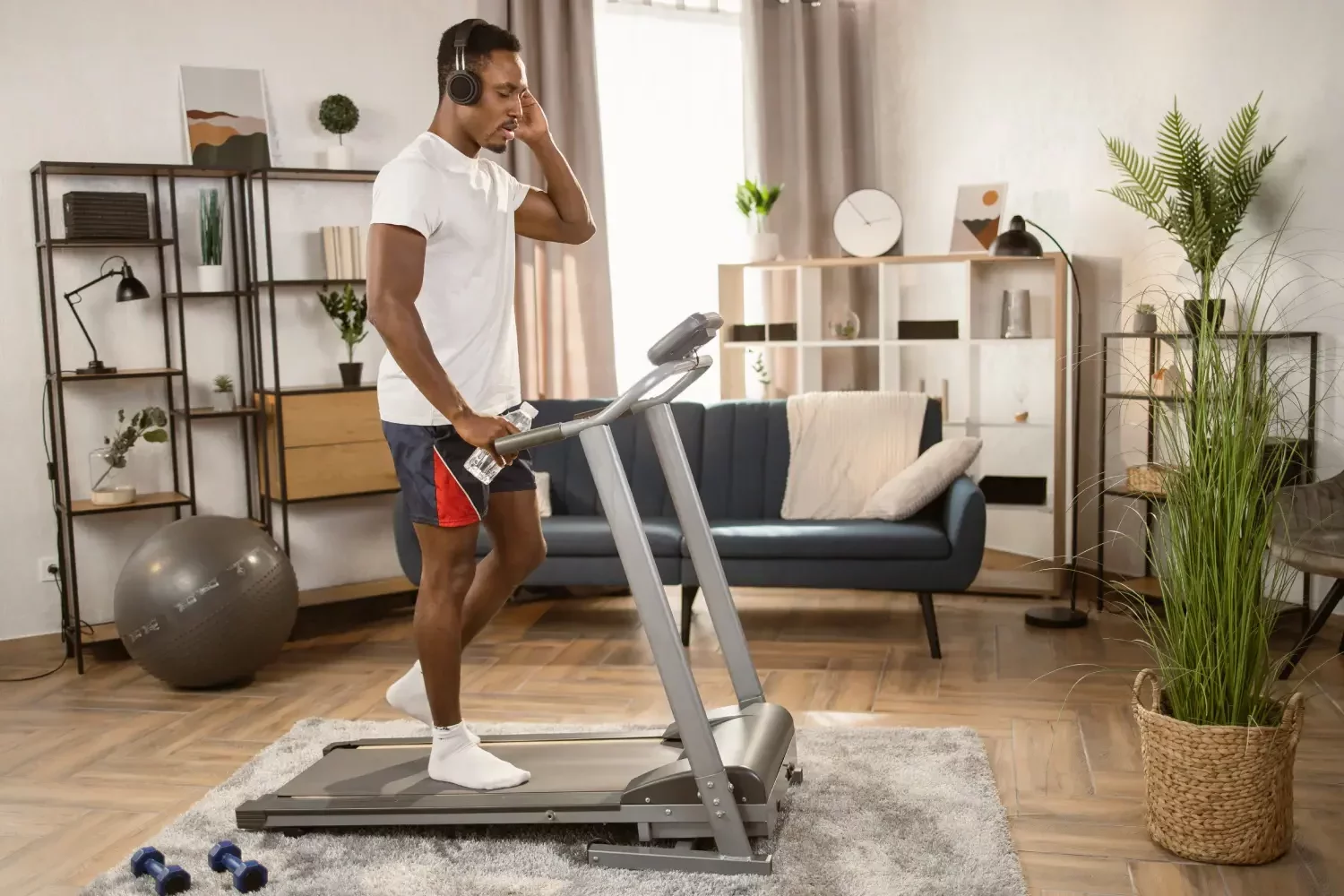
A treadmill makes this kind of consistency easier to build, particularly in Sri Lanka where heat, traffic, and unpredictable weather can turn an outdoor walk into a logistics problem. Having a treadmill at home means your cardio session is not dependent on the weather forecast or how safe your street feels after dark.
A simple way to start
You do not need to run a marathon to see benefits. Most guidance points to around 150 minutes of moderate aerobic activity a week, which breaks down to about 30 minutes, five days a week. On a treadmill, that could look like:
- Week one: brisk walking at a pace where you can still talk but feel your heart rate lift, 20 to 25 minutes a session.
- Week two to four: gradually add 5 minute increments or introduce short intervals of faster walking or light jogging.
- Ongoing: aim for consistency over intensity. A steady 30 minute walk four or five times a week does more for your long term numbers than one exhausting session followed by two weeks off.
Track how you feel, not just the clock. Breathlessness that eases as you get fitter is normal. Chest pain, dizziness, or unusual fatigue is not, and is a sign to stop and speak with a doctor.
Pairing movement with the right setup
The equipment you use matters less than the consistency you build, but a treadmill that fits your space, cushions your joints well, and has a display you can actually read makes it far easier to stick with the habit long term. If you are exploring options for a home setup, Quantum
Fitness at quantum.lk has a range of treadmills suited to different budgets and spaces, worth a browse when you are ready to invest in your routine.
Common questions people ask
How long before treadmill walking affects cholesterol?
Most people who exercise consistently start to see shifts in blood test results within eight to twelve weeks, though this varies from person to person. Consistency matters more than any single session.
Is walking enough, or do I need to jog?
Brisk walking counts as moderate aerobic activity and offers real benefits, especially for beginners or anyone with joint concerns. Jogging can add intensity once your fitness improves, but it is not a requirement to see results.
Can a treadmill replace outdoor cardio entirely?
It does not have to replace outdoor movement, but it does make consistency far easier in a climate and city where heat, rain, and safety concerns often get in the way of a regular outdoor routine.
The bigger picture
Cholesterol management is not about one workout or one week of clean eating. It is a long game built from small, repeatable habits. Regular cardio, alongside a balanced diet and any guidance from your doctor, gives your heart consistent support rather than occasional bursts of effort.
If you have known cholesterol concerns or any underlying heart condition, talk to your doctor before starting a new exercise routine. They can help you set a pace and intensity that is right for your specific health picture.
Ready to build the habit
Small, steady steps add up. A treadmill at home removes some of the biggest obstacles to consistency, weather, safety, and time. Start where you are, build slowly, and let the habit do the work over months, not days.
Looking for a treadmill that fits your space and goals? Browse the range at Quantum Fitness and find the right equipment for where you are in your fitness journey.