
Recent Posts




November 12, 2026
Most people do not fail at fitness because they lack motivation. They fail because they start without a plan. One week you do a bit of everything, the next week work gets busy, and by the third week the dumbbells are gathering dust in the corner.
A good plan changes that. It tells you what to do, when to do it and how to know it is working, so you stop deciding every day and simply show up. And showing up, steadily and for years, is what supports a healthier, longer life. This guide shows you how to create a workout plan at home that fits your schedule, your space and your energy, whether you are starting fresh or coming back after a break.
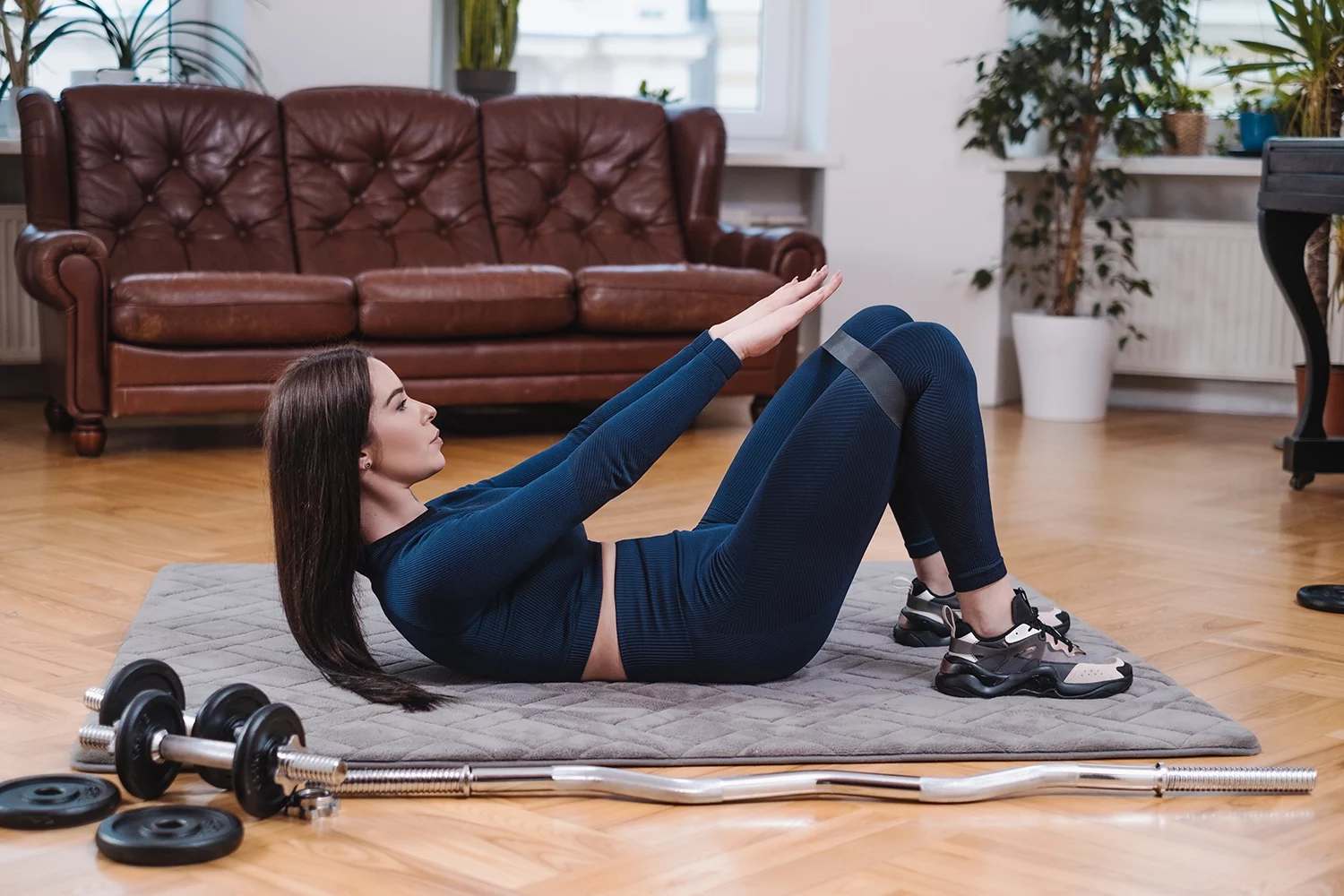
Start With One Clear Goal
Before you pick a single exercise, decide what you want this plan to do for you. Try to choose one main goal, because a plan that tries to do everything usually does nothing well.
Some common goals are building strength, improving stamina, moving more every day, feeling less stiff, or simply building a habit you can keep. Write your goal in one sentence, for example: “I want to feel stronger and have more energy for my family in the evenings.”
Notice that the goal is about how you want to feel, not about how you want to look. That is deliberate. Goals about energy, strength and consistency are easier to measure, kinder to yourself and more likely to last.
If you have any health condition, an injury or have been inactive for a long time, speak to your doctor or a qualified fitness professional before you begin. They can tell you what is safe for your body.
Be Honest About Your Time
This is where most plans quietly break. People plan for six days a week and manage two. Be realistic instead.
Look at your actual week. Which days are already busy? When do you have the most energy, early morning or after work? How long can you really give? Thirty minutes, three or four days a week, is a strong starting point and far better than an ambitious plan you abandon.
A useful rule is to pick a schedule you could follow even on a tired, stressful week. If it only works when everything goes perfectly, it is too big. You can always add more later.
Also think about your space. A small corner with room to lie down and swing your arms is enough for most home workouts. You do not need a spare room.
Build Your Week With Four Simple Building Blocks
Every balanced plan is built from the same four parts. Once you understand them, you can build a plan for anyone.
Strength
Strength work means moving against resistance, using your body weight, dumbbells, kettlebells or resistance bands. It keeps muscles and bones strong, supports your joints and makes everyday tasks, like carrying shopping or climbing stairs, easier as you age. Aim for two or three sessions a week.
Cardio
Cardio raises your heart rate and builds stamina. Brisk walking, jogging, cycling or a treadmill session all count. Two or three sessions a week is a good place to begin.
Mobility and stretching
A few minutes of gentle stretching after your workout helps you move comfortably and recover well. A yoga mat makes this far more pleasant.
Rest
Rest days are part of the plan, not a break from it. Your body gets stronger while it recovers. Keep at least one or two full rest days each week.
Two Sample Weekly Plans You Can Copy
Use these as a starting template and change them to suit your life.
The three day plan (about 30 to 40 minutes a session)
- Monday: full body strength. Choose five simple exercises such as squats, push ups against a wall or on your knees, rows with a resistance band, glute bridges and a plank. Do two or three rounds.
- Wednesday: cardio. Thirty minutes of brisk walking, outdoors or on a treadmill, plus five minutes of stretching.
- Friday: full body strength again, with the same moves, perhaps adding a little more weight or one extra round.
- Other days: rest, or a gentle walk if you feel like it.
The four day plan (about 30 to 45 minutes a session)
- Monday: lower body and core. Squats, lunges, glute bridges and planks.
- Tuesday: cardio. A steady walk or jog for 25 to 35 minutes.
- Thursday: upper body and core. Rows, shoulder presses, push ups and dead bugs.
- Saturday: a mix of light cardio and mobility, finishing with stretching on your mat.
- Other days: rest.
Both plans leave room for real life. If you miss a day, do not try to double up. Simply carry on with the next session.
How to Build Your Own Plan, Step by Step
Here is a simple process you can follow in about fifteen minutes.
- Write down your one goal in a sentence.
- Choose how many days you can genuinely train, and mark them in your calendar like appointments.
- Pick your strength days and cardio days, keeping at least one rest day between hard sessions.
- Choose four to six exercises for each strength day, covering legs, upper body pushing, upper body pulling and your core.
- Decide your starting level. Pick weights and durations that feel challenging but comfortable. You should finish feeling like you could do a little more.
- Add a five minute warm up before and a five minute stretch after every session.
- Write the whole plan on paper or in your phone notes, and put it where you will see it.
That is it. A simple plan that exists beats a perfect plan that does not.
Warm Up and Cool Down Every Time
It is tempting to skip the warm up when time is short, but those five minutes protect you. Start each session with easy movement such as marching on the spot, arm circles, hip circles and a few bodyweight squats. Your muscles loosen, your heart rate rises gently and your body gets the message that work is coming.
Finish with a short cool down. Walk slowly for a minute or two, then stretch the muscles you used. Hold each stretch for about twenty to thirty seconds and breathe slowly. If anything feels sharp or painful, ease off and speak to a professional.
Progress Slowly and Track What You Do
Your body adapts to what you ask of it, so your plan needs to grow gently. Every two weeks or so, make one small change. Add a few repetitions, use a slightly heavier weight, walk five minutes longer or reduce your rest breaks.
Change only one thing at a time. This keeps you safe and makes progress easy to see.
Tracking helps more than most people expect. A small notebook or notes app is enough. Write the date, what you did and how you felt. After a month, looking back at those pages is one of the most motivating things you can do. Progress becomes visible, even on days when it does not feel that way.
When Life Gets in the Way
At some point your plan will get disrupted by travel, festivals, work deadlines or a bad week. This is normal, not failure.
Keep a short backup version of your plan, around ten to fifteen minutes, that you can do when time is tight. A short session still keeps the habit alive. On low energy days, lower the intensity but still show up. Consistency matters more than intensity.
If you miss a week, restart with an easier session and build back up. Be as kind to yourself as you would be to a friend.
The Equipment That Makes a Plan Easier to Follow
You can begin with nothing but your body weight. Over time, a few simple pieces make your plan more varied and your progress easier to measure.
A pair of adjustable dumbbells or a kettlebell covers most strength work. Resistance bands are light, affordable and perfect for small spaces. A yoga mat makes floor exercises and stretching comfortable, and a treadmill gives you reliable cardio whatever the weather. You can explore all of these at Quantum Fitness and add pieces gradually as your routine grows.
Start with what fits your budget and your space. Equipment should support your plan, never replace it.
Conclusion
A workout plan does not need to be complicated. Choose one clear goal, be honest about your time, balance strength, cardio, mobility and rest, and write it all down. Then progress slowly and forgive the messy weeks. You already have what it takes to build a routine you can keep. The plan simply gives your effort a direction.
Your Next Step
Ready to put your plan into action? Browse Quantum Fitness and find the right equipment for where you are on your journey.